The Deeper Read
6: Kevin Scully

“The family tartan”, winner of the inaugural Ashdown Forest Poetry Prize 2024.

Content note: cancer, bereavement.
The family tartan

i

Picked up in a charity shop, I flapped it out
for our first picnic in the forest:
a risk, I thought, a date en plein air
but as it turned out, we clicked.

We always kept it in the Vauxhall, found
new places to go with our sandwiches
and retro Thermos. We’d read poetry
— ‘The Windhover’— and look at the view.

As we got to know each other, the rug
became our groundsheet. I think
our first was conceived on it
after our hippy wedding in the woods.

We kept using it, bringing the kids,
building family rituals with one of us
tugging each corner before laying it out
and calling Time for a little something!

ii

After the first round of chemo
I would drive you to Gill’s Lap,
support you as we walked,
unfold a chair and cover you with the rug.

We would watch the passing parade
of families, now with Disney toys,
making their pilgrimage to end
with Poohsticks from the bridge.

You can’t bury me here, I’ve asked.
You can get permission to scatter
ashes, but I’m no cigarette butt.
Bury me, but somewhere in a wood.

Which is exactly what we did.
It was the kids who said
we should use the rug as a shroud.
I’m the only one who knows

I cut a piece from it,
keep it in the glove box,
take it in my hands and walk
as we go off together

like we did that first time
with no idea how it all might end.

Kevin Scully
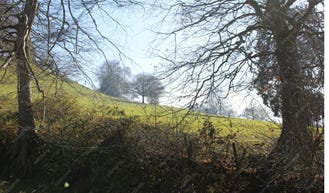
The title of this poem is pure Scully. It sets the tone for affectionate humour, and the warmth of the relationships it describes. We are in “family” territory: a family who don’t take themselves too seriously, who enjoy an in-joke by giving a much-loved rug – which was second-hand to start with – a name implying heritage of a more lofty kind. The lack of initial capital letters other than in the first word lets us in on the joke: we are in the hands of a speaker who also doesn’t take themself too seriously, who isn’t concerned with status; who will, in fact, suggest “a date en plein air” in defiance of the Great British Weather, and who pokes fun at themself by using a French phrase to imply a chicness distinctly lacking in the reality.
The rug is pre-loved – “Picked up in a charity shop”; a slyly funny choice of verb in the context of a first date – the speaker equally gauche as they “flapped it out”. The repeated “ɪ” and “æ” sounds are reminiscent of giggles in this first line, highlighted in bold: “Picked up in a charity shop, I flapped it out”, and continue through the first stanza in “picnic” (harking back to “picked”), “risk” and, sweetly, “clicked”. Despite the “risk” of a picnic on an old rug not impressing their companion, the date works out.

A relationship, with both rug and human, has begun; and the remaining three stanzas of this section build on the tone established in the first. The rug becomes a fixture on their dates, along with other relatable accessories: “the Vauxhall”, “sandwiches”, the “retro Thermos”. No need for anything fancier when they have each other, some Gerard Manley Hopkins in the form of “‘The Windhover’”, and “the view”. That they soon have other things on their minds than the view is deftly intimated in the third stanza, the relationship progressing with the poem to the extent that “the rug / became our groundsheet”. There is teasing comic timing in this line break, a trick immediately repeated in “I think / our first was conceived on it”. After this double whammy of annotating line breaks (Longenbach 69), the final parsing line of this stanza gently lets us down into the tenderness of “after our hippy wedding in the woods”. We are full of delight and affection for this couple, sharing their joy: how wonderful, in this fractured, late capitalist world, that two people who like the same simple things should find each other and continue this simplicity into their “hippy wedding in the woods”; nature their witness, maybe even a kestrel as priest.
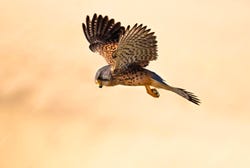
The fourth stanza builds on their story. “[O]ur first” child multiplies into “the kids” and the rug, already woven into the narrative of their life as a couple, is now as much part of “family rituals” as in-jokes and catchphrases; Winnie the Pooh joining them in spirit with the cheery quote “Time for a little something!” as their picnics evolve from dates to family outings. Scully’s use of measured quatrains is the ideal form for such storytelling. Although lines often enjamb, most notably in the second and third stanzas of this section as the relationship gathers momentum, it’s interesting to note that the majority of stanzas are end-stopped. These are episodes in a life together: first date, more dates, marriage, kids. Scully knows what he is doing: he has set us up in this cosy rhythm so that, lovely as it all is, we take it for granted, as humans do.
That the poem breaks into a second section here foreshadows disruption, and its first line, “After the first round of chemo” abruptly, unsentimentally, yanks us into different territory. The speaker is now a carer, and the next three lines of this quatrain each begin with a verb; tasks he must complete: “I would drive”, “support you”, “unfold a chair”. The rug also has a different role in this new dynamic; not “flapped” in a carefree fashion for picnics or lovemaking but used to cover the sick beloved. Family fun is now something watched from the sidelines rather than participated in, and it has changed too; commercialisation is encroaching on the Ashdown Forest:
“We would watch the passing parade
of families, now with Disney toys,
making their pilgrimage to end
with Poohsticks from the bridge.”

The image of religious rites evoked by “pilgrimage” hints at what is to come; as does “end”, hanging unpunctuated from the edge of a line, and “bridge”, implying a passage of some kind. The speaker’s spouse speaks directly for the first and only time, given an entire stanza in which to make their request:
You can’t bury me here, I’ve asked.
You can get permission to scatter
ashes, but I’m no cigarette butt.
Bury me, but somewhere in a wood.
Aware of everything the speaker is doing for them, they have done the job of researching their disposal themself, the first line of this stanza end-stopped in a devastatingly matter-of-fact way. Since they can’t be buried in the Ashdown Forest, and don’t much fancy being cremated and scattered – “I’m no cigarette butt” returning to the humour of the first section, poignantly reminding us that these two people are well-matched – they ask for a woodland burial elsewhere. Scully has been flirting with iambic pentameter all the way through, with most lines having around ten syllables, but is too wise to let metre dictate his words, instead letting the story unfold at its own pace. Here, however, he employs metre to underline the solemnity of the moment. There are nine syllables, not ten, to allow for an appropriate pause in the comma after “Bury me,” and the iambic rhythm (dee DUM) is changed to a dactyl (DUM dee dee) at the start of the line to give full weight to what is being said (stressed syllables in bold): Bury me, but somewhere in a wood.”
Up until now, the stanzas have remained end-stopped, as they were in the poem’s first section. From now until the end, however, each stanza runs into the next, with a feeling of time running out. Like its predecessor, the fourth stanza of this section begins with a complete, end-stopped sentence, hard-hitting in its frankness: “Which is exactly what we did.” It’s even more of a gut-punch that this simplicity is reminiscent of children’s books, like those of A. A. Milne. We needed to do a thing, so we did it. This, too, is Death as the great clarifier: bodies fail in a variety of ways; people die, including those we love. We have to say goodbye to them, and we have to do something with the body they leave behind. In tune with this childlike simplicity, “It was the kids who said / we should use the rug as a shroud.” We don’t know how old they are now; but whatever age, they have lost a parent, and the pause at the end of this line allows us a moment to digest this.

Now we have the first of the run-ons between stanzas, with the speaker admitting to us (but not his family): “I’m the only one who knows // I cut a piece from it, / keep it in the glove box,”. Breaking not only a line but a stanza on “knows” and leaving it unpunctuated shows immense confidence, as does breaking the fourth wall to make an aside to the reader; something Scully well knows as an actor and playwright. Already reeling from the turn that events have taken in this family we have become attached to, we are left dangling, wondering what the speaker knows; and there is a wry echo of their former humour and self-deprecation in the bathos of what this is. No grand reveal, simply a bit of an already humble blanket, kept in the humblest place of a car. I don’t know if I’m the only person to find ‘glove boxes’ unwittingly hilarious; I’m willing to bet that nobody keeps gloves in them any more, and they aren’t able to store much of any use, unlike a boot.
This glove box, however, is the receptacle for something precious. The speaker cannot bear to let their spouse go, but they must; instead, they keep a piece of the blanket. It’s reminiscent of the locks of hair made into Victorian mourning jewellery (Renken), but in keeping with the no-nonsense aesthetic of the poem. From now until the end of the poem the lines, as well as the final stanza break, run on. The speaker, holding their talisman rather than their lover’s hand, walks in the woods with them for the last time, their narrative breaking into the painful immediacy of the present tense: “take it in my hands and walk / as we go off together”.
The final stanza sees the quatrain scheme interrupted, as their life together has been, ending on a touching couplet for this couple ruptured by bereavement. It skilfully joins the two sections of the poem by looping back to the “first time” – that “first picnic” in line 2 – with all the world-weariness of hindsight: “with no idea how it all might end.” It’s a daring move to finish a poem with the word “end”, but Scully has earned it through his resolute unpretentiousness in chronicling exactly those things – love and loss – that so many poets have attempted. He has done it his way, as the couple have done, and it is this authenticity which gives the poem its emotional heft, along with the deep understanding of the human need for ritual that doubtless proceeds from his ministry as an Anglican priest. I can’t put it better than Hopkins: “the achieve of, the mastery of the thing!” (l. 8).

*******
Something I like to do when reading poems is to see what poem is created by the end words, a kind of reverse golden shovel. Here’s the end word poem from this piece, with a line for each stanza, keeping each word’s original punctuation:
i

out forest: air clicked.
found sandwiches poetry view.
rug think it woods.
kids, us out something!

ii

chemo Lap, walked, rug.
parade toys, end bridge.
asked. scatter butt. wood.
did. said shroud. knows
it, box, walk together

time end.
*******
Each week, I’ll share a poem of my own if I think I’ve one which chimes with the poem under discussion. Here’s part of “Endgame”, the freeform sequence about my mum’s death and the grieving process which forms the second half of my collection Crippled. Copies available from Red Squirrel Press or DM me to buy a signed one. Like Kevin’s poem, it explores the human need to keep a talisman of a dead loved one, as well as considering the ways in which we express grief; in this case, seeking physical pain to mirror the emotional agony.
XXXI

A small diamond ring: a gift to you
from your mother, then yours to me. I love
the love: mother to daughter, and again –
my own part in the chain. When you died
I sought it, put it on my right hand
to keep you there. Today
the central stone has vanished. I press
one fingertip into its empty socket, hold
until it burns, then watch
the tiny dent. It takes a while to go.

Suzanna Fitzpatrick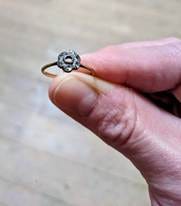
Works Cited
Hopkins, Gerard Manley. “The Windhover.” The Works of Gerard Manley Hopkins,
Wordsworth Editions, 1994, p. 29.
Longenbach, James. The Art of the Poetic Line, Graywolf Press, 2008.
Renken, Sophie. “The Performativity of Hair in Victorian Mourning Jewellery.” The Coalition of Master’s Scholars on Material Culture, 4 June 2021, https://cmsmc.org/publications/performativity-of-mourning-jewellery. Accessed 10 February 2026.
I hadn’t really considered the deeper symbolism of the bridge before – having visited that particular bridge myself, I took it at face value in this poem as the place to play Poohsticks! But it’s very obvious in hindsight, especially placed so close to the word “end”, as you point out. Makes the first half of the poem all the more poignant.